If there was one white grape that we’d choose for a desert Island, it would be Chardonnay! It is responsible for making some of the finest wines in the world and while it might be ubiquitous, is never boring. There are a plethora of Chardonnay wine styles from all over the wine-producing world, for those just want a good midweek drink to fine wine lovers, collectors and investors alike.
Chardonnay is also a versatile food match, and is definitely the wine to serve at the big family occasions throughout the year, whether in the form of a crisp, refreshing Chablis or a fuller, richer, complex wine to pair with a roast meal. And let’s not forget the very fine Champagnes and Sparklings…
Our handy guide to Chardonnay looks at the origins of Chardonnay, what it tastes like, how it’s made and what makes a great Chardonnay. Plus, some ideas for food-matching, serving and cellaring Chardonnay.
Origins: where does Chardonnay come from?
The white grape Chardonnay is an offspring of two French grapes Gouais Blanc and Pinot Noir. So unsurprisingly it’s homeland is France, and specifically the Burgundy wine region, in Central France. In fact, the grape is named after the village of Chardonnay which is found in the Maconnais, in the south of Burgundy. The most famous Chardonnay wines are from Chablis and also the Cote de Beaune, the area just south of the town of Beaune in Burgundy, where the Grand Cru wines such as Batard Montrachet command £100s if not £1000s per bottle.
Where else does it grow, outside of Burgundy?
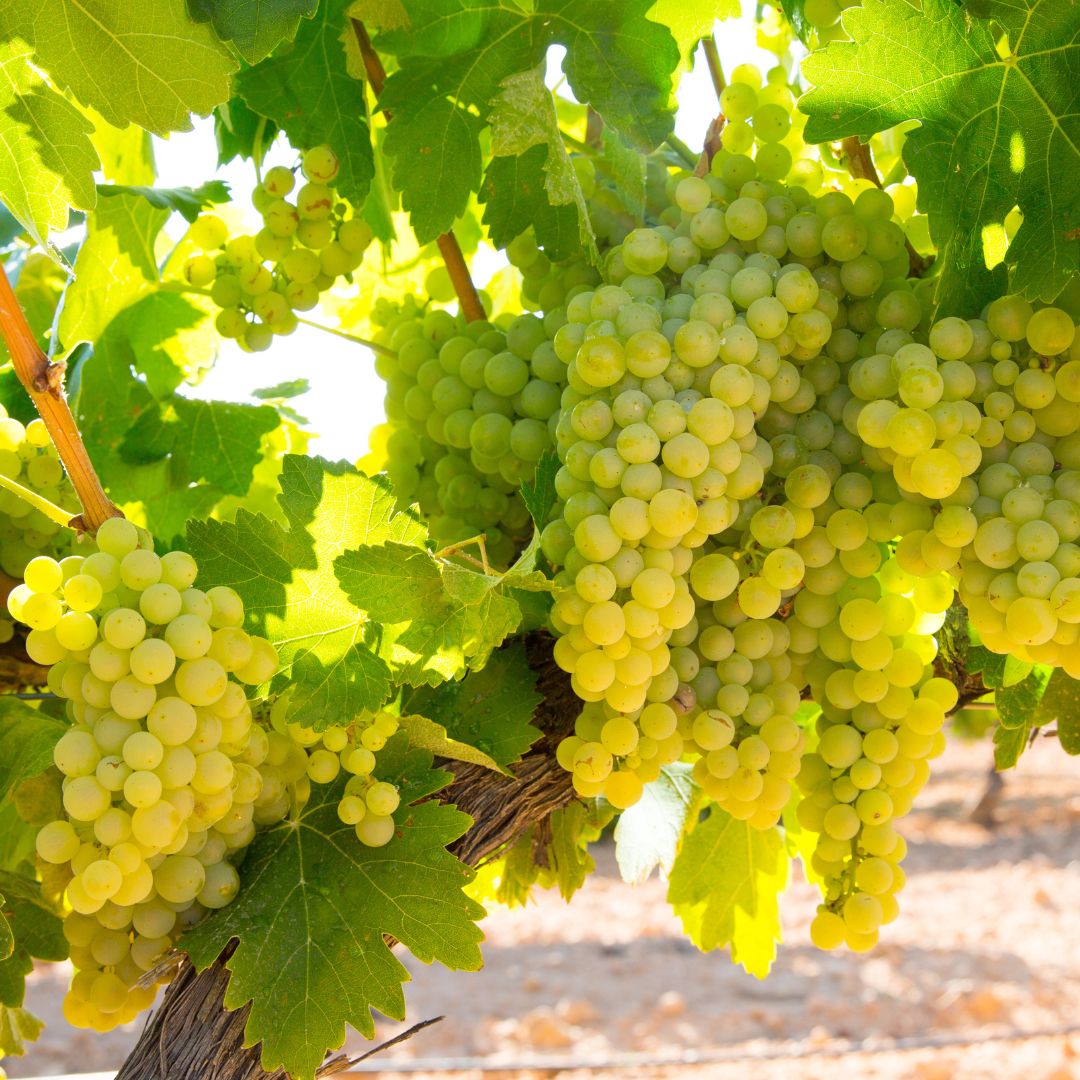
Chardonnay is an adaptable grape, capable of good crop yields, and has small berries with good flavour concentration. So it’s popular and found widely across the world, in different climates and on different soils. There are different clones of Chardonnay which are grown in different places, such as Dijon or Mendoza, which bring a slightly different advantage to the resulting wines.
In France, you’ll find Chardonnay wines from the Loire Valley, Jura and the South, such as in the appellation of Limoux.
But, it’s the second largest white grape variety in the world, so unsurprisingly, most European countries make good Chardonnay. Head to the hills of northeast Italy (try Terlaner, for example), and excellent, juicy wines come from the South of Italy too (Tormaresca’s Puglian Chardonnay is an excellent value, dry, unoaked Chardonnay). Travel east to the steeply-sloped vineyards of Switzerland and Austria (where it’s known as Morillon), for fresh, vibrant wines, and the wide plains of Bulgaria and Romania for fruity, easy-to-drink wines and great value.
Similar to other ‘noble’ grapes, ie the grapes making high-quality across the world, such as Pinot Noir, Riesling or Cabernet Sauvignon, Chardonnay grows successfully throughout the New World, from warmer inland vineyards to the coastal locations of North and South America, New Zealand, Australia and South Africa. In fact, the largest producers of Chardonnay are, in order: France, USA, Italy, Australia and Chile.
For great New World examples, some of the most exciting wines, are from the following regions:
- USA: Willamette Valley of Oregon (try Evening Land, Drouhin), Santa Barbara (try Tyler), California (many wines from both Napa and Sonoma), plus keep an eye on Chardonnays emerging from Monterey.
- Australia: Victoria (Bindi, Giaconda, Yabby Lake, By Farr); Adelaide Hills (Shaw and Smith); Tasmania (Tolpuddle); Margaret River (Cullen, Flametree, Leuwin).
- Look to the cooler spots of both Chile, particularly coastal Aconcagua (Errazuriz have a very good coastal range of Chardonnays) and Elgin in South Africa, such as Richard Kershaw’s excellent wines.
- Argentina’s Chardonnay tends to be exceptional value, but the really great wines tend to be red, rather than white (the most notable exception being Catena’s White Stones and White Bones Chardonnays).
- While it’s a relatively small winemaking country, there are delicious examples of Chardonnay from New Zealand. Kumeu River Chardonnays are, by wide acknowledgement, the finest whites of New Zealand. Also try Ata Rangi’s Martinborough Chardonnays, and the Neudorf, Pyramid and Bell Hill Chardonnays from the South Island.
- Lastly, England is growing some fabulous Chardonnay, most often in Essex’s Crouch Valley (Marbury, Danbury and Riverview are great examples), or parts of southern Sussex and Kent, eg the Simpsons property.
Remember Chardonnay also makes great sparkling wine, so you find it in most regions that produce traditional method sparkling, eg Champagne, Cremants, some Cava, England, Tasmania, Cape Classique in South Africa, Franciacorta and many more. Usually it is part of a blend, unless it says Blanc de Blancs, in which case it’s possible to be another white grape, but is usually Chardonnay.
Styles of Chardonnay: what does Chardonnay taste like?
Chardonnay is a chameleon, and you’ll find different styles around the world depending on the climate and the way the wine is made. In a cooler climate such as the UK, the wines tend to have higher natural acidity and freshness, plus aromas of citrus and orchard fruit. For a warmer climate, say southern Burgundy, such as the Maconnais area, you’ll often find stone fruits such as apricot or peach, whereas very warm parts of California for example have lower acidity and may even show tropical fruits such as pineapple or mango.
They are usually fermented dry (so no sugar is left in the wine) although dessert wines are occasionally made, such as the lush Austrian dessert wines from Kracher and Tschida, or Canadian Icewines. More important than the sweet wines, Champagnes and Sparkling Wines with Chardonnay are found in wine shops and restaurants all around the world, where the grape adds fresh acidity and a lemony quality to the wine, as well as an elegance.
Read on for specific ways that Chardonnay might taste depending on how it is vinified by the winemaker….
How does the winemaker influence the wine in the cellar?
There are plenty of ways the winemaker can influence the wine:
- Dryness v sweetness: most wines are fermented to be dry, with no residual sugar
- Lees-ageing: Some richness and texture is imparted to the wine if it is left on its fermentation yeasts (known as the lees), as well as a slight dairy or cheese rind character. This is exaggerated if the lees are stirred regularly, meaning greater contact with the young wine
- Malo-lactic fermentation: with almost all reds, and some whites, there is often a second fermentation known as the malo-lactic fermentation, which converts the harsh, green apple tasting acids in the wine into lactic acid, lovely and buttery and smooth. This is where the butteriness found in Chardonnays usually originates from
- Oak ageing: Chardonnay has good structure with plenty of weight, so it ages well in oak barrels, which gives a toasty, vanilla or spice note to the wines
Can Chardonnays age and for how long?
In youth, the wines may not be as expressive as Sauvignon Blanc, for example. But they can have very good longevity, store/cellar well, and the aromas become more expressive and interesting with time, moving from the primary fruity aromas described above to honey and nut characters over time. While some Chardonnays are destined to age for a few years, the premium examples are easily capable of ageing for five to ten years, and sometimes another decade or so.
Food matches: what to pair with Chardonnay?
Chardonnay is a versatile grape which pairs with many foods.
For crisper, fresher, lighter styles, drink with seafood, creamy starters or mushroom dishes an soups, as well as gougeres (the Burgundian cheese pastries) or battered foods. In fact, the Sparkling wines from Chardonnay go superbly with fish and chips!
Fruiter styles such as those from the Maconnais have lovely fruit salad flavours, and therefore pair brilliantly either with salads including some fruit, or fruit salad itself for dessert.
Richer styles of Chardonnay: a more complex or aged Burgundy, or some of the new world styles, these are the ones to serve with roast chicken or turkey, or a well-flavoured, meatier fish dish. For a vegetarian dish, try wild mushroom risotto or sage and squash agnolotti.
With cheese: Chardonnay is also a great match for cheese such as gruyere or comte, the nuttier, earthier cheeses, or a comte souffle for a showstopper!
Practical advice on serving Chardonnay
A normal fridge temperature tends to be between 4-6 degrees C. However, this is very cold indeed, far too cold to discern much aroma or flavour in a wine. So, we’d recommend removing any white (or rose) wine from the fridge for ten to twenty minutes before serving.
To some extent, the temperature of a wine should be to your own taste…some people like a colder style, which accentuates the freshness and moderates any sweetness (should it be a dessert style). Some prefer a warmer temperature which reduces the sensation of acidity, and allows greater expression of a wine’s aromas to show.
With premium Chardonnays which have more flavour concentration, firmer structure (particularly higher acidity) and more complexity in their aromas, allowing it to warm to around 10 or 11 degrees will reveal much more character in the wine. At this temperature, the structure, particularly the acidity, will soften a little too.
To try some of these wines, please see our full range of Chardonnays here